How to Ship Industrial Machinery from Kansas City: A Practical Guide
What Kansas City manufacturers, contractors, and equipment suppliers should know about transporting machinery, choosing the right trailer, and preparing for pickup.
Shipping industrial machinery involves more planning than sending a standard pallet of freight. Equipment can be unusually heavy, difficult to load, or too large for an enclosed trailer. Even a relatively small machine may require specialized handling to prevent damage during transportation.
For manufacturers, contractors, and equipment dealers in the Kansas City area, understanding these requirements before requesting a freight quote can help avoid unexpected costs, delays, and equipment damage.
Whether you're relocating a piece of manufacturing equipment, delivering machinery to a customer, or moving construction equipment between facilities, there are a few important things to consider before arranging transportation.
Start with the Equipment You're Shipping
The first step is understanding exactly what needs to be transported.
Industrial machinery comes in many forms, and its size, weight, and construction determine how it should be shipped. A compact CNC machine, for example, has very different transportation requirements from a large excavator or an industrial press.
Before requesting a quote, gather the machine's specifications, including its total weight, length, width, and height. Include any attachments, protective packaging, skids, or supporting frames that will remain with the equipment during transportation.
It's also important to establish whether the machine can be moved using a forklift, crane, or other loading equipment.
A machine that weighs 5,000 pounds but has no practical forklift access may require more preparation than a heavier piece of equipment designed for easy lifting.
Providing accurate information upfront helps a freight broker identify suitable equipment and avoid surprises when the truck arrives.
Choosing the Right Trailer for Machinery Shipping
Not every piece of machinery requires specialized trucking equipment. In some cases, a standard enclosed trailer is sufficient. Larger or more difficult loads may require a flatbed, step deck, or lowboy trailer.
Cheetah Transport's machinery and specialized freight services help businesses coordinate transportation for equipment that requires additional planning or specialized trailers.
Dry Van Trailers
A dry van is an enclosed trailer commonly used for general freight.
Smaller industrial machines can sometimes ship in a dry van when they're properly crated or secured, fit within the trailer's interior dimensions and door opening, and can be loaded safely.
Enclosed transportation offers protection from rain, road debris, and other weather exposure. However, the trailer's door clearance, weight capacity, and loading requirements must be considered.
Flatbed Trailers
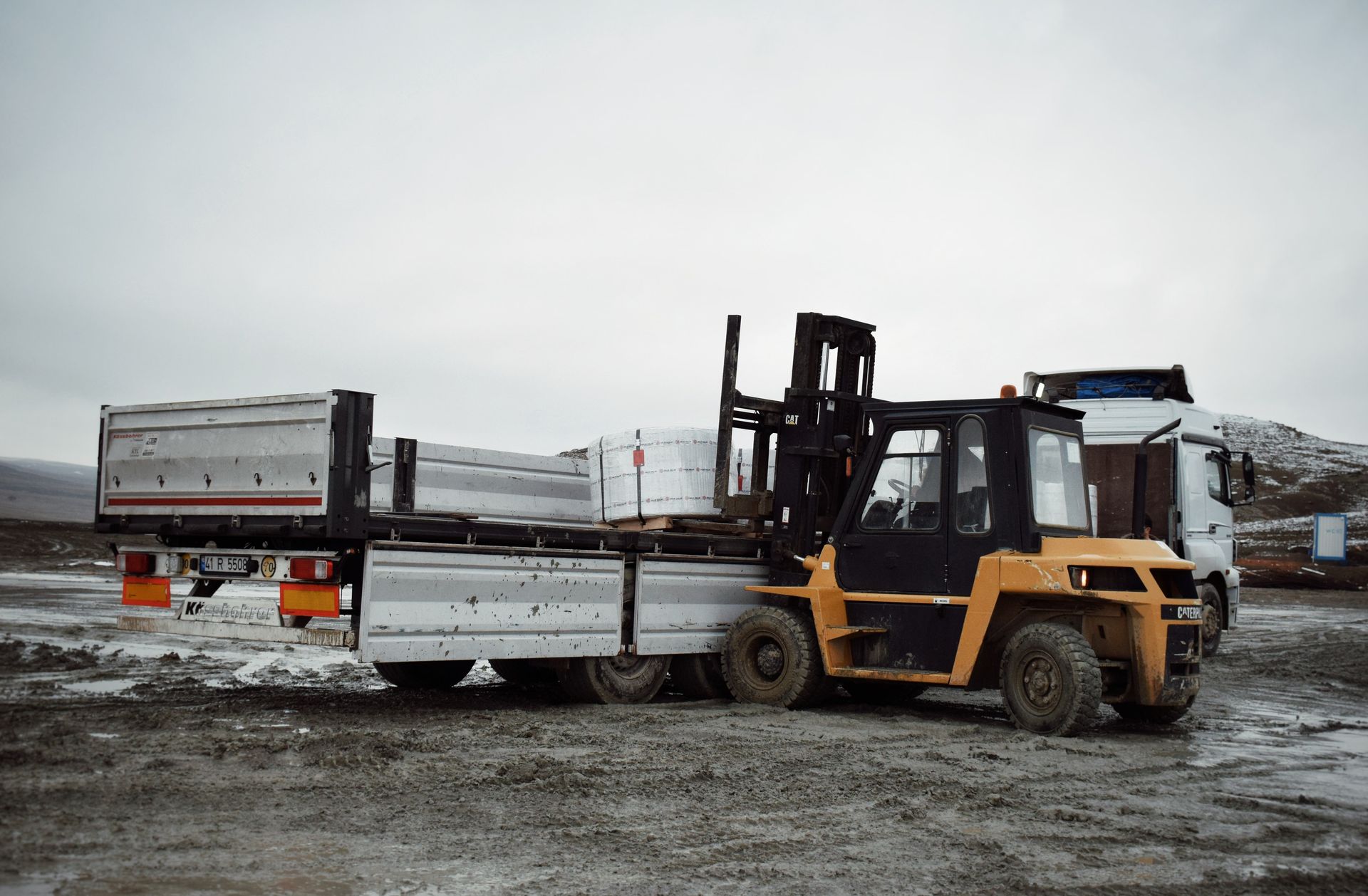
Flatbed trailers are frequently used for machinery that cannot be loaded through the doors of an enclosed trailer.
They allow loading from the sides or above, making them useful for industrial equipment, large components, and machinery that requires a crane or forklift.
Because the cargo is exposed, proper securement and weather protection are especially important.
Step Deck Trailers
Step deck trailers have a lower main deck than standard flatbeds. This provides additional vertical clearance for taller equipment while helping keep the overall loaded height within applicable limits.
They're often a good option for machinery that's too tall for a conventional flatbed but doesn't necessarily require a lowboy.
Lowboy Trailers
Lowboy trailers are designed with a particularly low deck height and are commonly used for taller or heavier equipment.
Construction machinery, large industrial equipment, and other loads with challenging height requirements may need this type of trailer.
The final equipment choice depends on the machine's dimensions, weight distribution, loading method, and route.
Choosing the correct trailer from the beginning is important because equipment that doesn't fit or cannot be safely loaded may require a completely different transportation arrangement.
Loading and Unloading Requirements Matter
One of the most common complications in machinery shipping is arriving at a facility without the equipment needed to load or unload the freight.
Some Kansas City manufacturers have dedicated shipping docks, forklifts, and experienced warehouse personnel. Other businesses may be moving machinery from a smaller workshop, storage facility, or construction site.
These situations need different plans.
For example, a machine being collected from a warehouse in Lenexa might already be secured to a shipping skid and ready for forklift loading. A similar machine being removed from a production facility in Kansas City may need professional rigging before it can be placed onto a trailer.
Before arranging transportation, determine who will handle loading at the origin and unloading at the destination.
Confirm whether forklifts, cranes, loading ramps, or rigging services will be required. Also consider whether the property has enough space for the truck and trailer to enter, maneuver, and leave safely.
These details affect both the transportation cost and the equipment that can be used.
Preparing Industrial Machinery for Transport
Machinery should be properly prepared before the carrier arrives.
Start by following the manufacturer's recommendations for transportation. Depending on the equipment, this may involve disconnecting utilities, securing moving components, protecting sensitive controls, and removing attachments that could become damaged.
Some machines should be mounted to a skid or secured inside a custom crate. Others may require blocking, bracing, or specialized restraints.
Pay particular attention to components that extend beyond the main body of the machine, such as control panels, hydraulic assemblies, or exposed mechanical parts.
Fluid handling, battery isolation, and other preparation requirements should be confirmed based on the specific machine and carrier requirements.
It's also worth photographing the equipment before pickup, including its overall condition and any existing damage.
The carrier is responsible for appropriate transportation and cargo securement, but accurate equipment information and proper preparation help make that possible.
Federal cargo securement regulations also include specific requirements for certain heavy vehicles and wheeled or tracked equipment weighing 10,000 pounds or more. These requirements are outlined in the Federal Motor Carrier Safety Administration's cargo securement rules.
What Affects the Cost of Shipping Machinery from Kansas City?
There's no single rate that applies to every machinery shipment.
Transportation costs depend on the equipment itself, the route, and the resources required to move it safely.
Weight and dimensions: Larger or heavier machines may require specialized trailers, additional equipment, or different routing.
Distance: The shipment's origin and destination affect mileage, available carrier capacity, and the overall transportation cost.
Trailer requirements: A load that fits on a standard flatbed may cost less to arrange than one requiring a lowboy or another specialized trailer, although actual rates depend on availability and the lane.
Loading and unloading: Forklifts, cranes, riggers, and other handling services can add costs when they aren't already available at the pickup or delivery site.
Permits and route restrictions: Oversized or overweight shipments may require permits, route planning, or additional transportation arrangements. Requirements depend on the load and the states involved.
Scheduling: Flexible pickup dates can provide more opportunities to find suitable carrier capacity, while urgent shipments may require more expensive arrangements.
Accurate quotes depend on accurate shipment information. Leaving out a critical detail, such as an unusually tall attachment or the absence of loading equipment, can change the transportation plan substantially.
Why Kansas City's Industrial Market Makes Freight Planning Important
Kansas City supports a substantial network of manufacturers, warehouses, distributors, and industrial businesses operating on both sides of the Kansas-Missouri border.
Businesses arranging freight shipping in Kansas City can benefit from working with a broker who understands the area's industrial market and the requirements of different shipment types.
Facilities throughout Kansas City, Kansas City, KS, Lenexa, Olathe, and surrounding communities depend on freight transportation to receive equipment, move materials, and deliver finished products.
The region's highway connections and established logistics infrastructure make it an important location for freight moving throughout the country.
However, proximity to major transportation routes doesn't eliminate the complications involved in shipping industrial machinery.
A manufacturer relocating equipment from an Olathe facility, for example, still needs to consider trailer access, equipment weight, loading responsibilities, and the destination's ability to receive the shipment.
The same considerations apply to a business shipping machinery from Kansas City to a customer in another state.
Working through these details before dispatch helps reduce unnecessary delays and ensures the transportation plan matches the actual shipment.
What Information Should You Provide for a Machinery Shipping Quote?
When contacting a freight broker, the more complete your shipment details are, the easier it is to evaluate transportation options.
Start with the equipment's description, manufacturer, model, weight, and complete dimensions.
Provide the pickup and delivery ZIP codes, preferred pickup date, and any required delivery deadline.
Explain whether the machine is crated, mounted on a skid, self-propelled, or otherwise prepared for transportation.
You'll also want to describe the loading arrangements at both locations, including whether a forklift, crane, or loading dock is available.
Photographs are particularly helpful for machinery shipments. A few clear images can help identify attachments, unusual dimensions, lifting considerations, and other details that might not be obvious from a written description.
Finally, provide the machine's declared value and ask about the applicable carrier liability and additional coverage options. Don't assume that the full replacement value of expensive machinery is automatically covered.
This information helps your freight broker evaluate the shipment and identify suitable carriers.
Working with a Freight Broker for Industrial Equipment Shipping
A freight broker helps coordinate transportation between a shipper and a carrier.
For industrial machinery, that coordination can be especially valuable because the shipment may require equipment that isn't used for everyday freight.
Rather than selecting a trucking option based only on the lowest available rate, it's important to make sure the carrier has the appropriate trailer, understands the loading requirements, and can accommodate the equipment's size and weight.
A freight broker can also help clarify the details that need to be resolved before pickup, including scheduling, route considerations, and specialized equipment requirements.
For businesses that don't ship machinery regularly, this can simplify a process that would otherwise require contacting multiple transportation providers.
Get Help Shipping Machinery from Kansas City
Whether you're transporting a single industrial machine or coordinating equipment shipments as part of your regular business operations, preparation makes a difference.
Cheetah Transport works with businesses throughout the Kansas City area to coordinate machinery and specialized freight shipments through its carrier network.
We can help evaluate your shipment's requirements, discuss available transportation options, and coordinate the next steps.
If you're preparing to ship machinery, contact Cheetah Transport with your equipment specifications, pickup and delivery locations, and preferred schedule.
Request a freight quote from Cheetah Transport to discuss your machinery shipping needs.